Industrial Grade OEM & ODM Manufacturing

OEM Top Carbon Monoxide Alarm Supplier & Factory

Next-Generation Life Safety Technology: High-Precision Electrochemical Sensing Systems, Global Compliance Engineering, and Smart Gas Infrastructure Solutions

Featured Safety Equipment

Primary Gas & CO Detection Lineup

Direct factory-supplied gas alarms, controllers, and emergency shut-off systems certified for global commercial and residential applications.

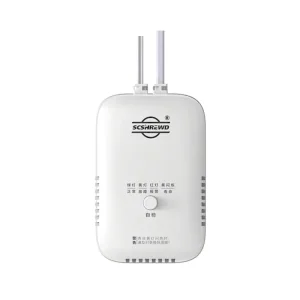
SD6103K Series Gas Detector
Wholesale High-Quality Household Combustible Gas Detector SD6103K Series
View Product Details
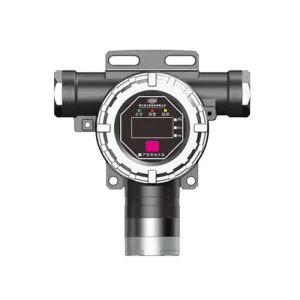
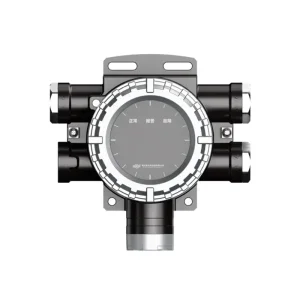
SD2100E Series Industrial Detector
OEM China Industrial and Commercial Gas Detector SD2100E Series
View Product Details
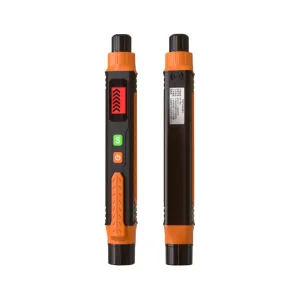
JLY-50A Series Detector Pen
Wholesale Portable Gas Detector Pen JLY-50A Series Monitor
View Product Details
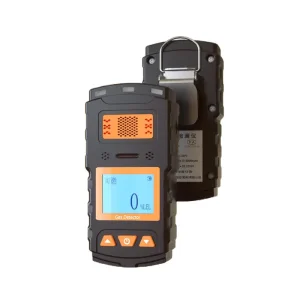
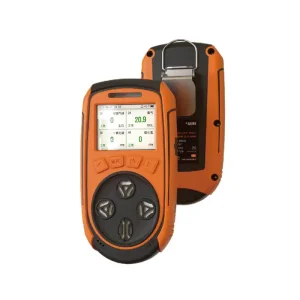
Shield SD3001 Series
ODM Portable Gas Detector Shield SD3001 Series Manufacturer
View Product Details
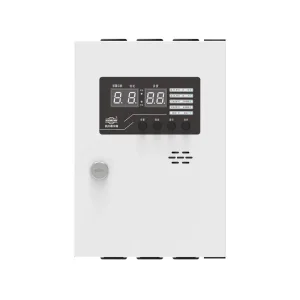
Shield 8001AB Series Controller
High-Quality Gas Alarm Controller Shield 8001AB Series
View Product Details
SD6101 Series Detector
OEM China SD6101 Series Household Combustible Gas Detectors
View Product Details
SD2130 Series Industrial Detector
High-Quality Industrial and Commercial Gas Detector SD2130 Series
View Product Details
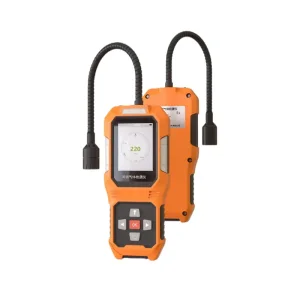
JLY-CP100 Leak Detector
OEM Portable Gas Leak Detector JLY-CP100 Series Monitor
View Product Details
Engineering Whitepaper

1. The Physics and Electrochemistry of Carbon Monoxide & Combustible Gas Detection

Carbon Monoxide (CO) is a color-less, odor-less, and tasteless toxic gas created as a byproduct of incomplete combustion. Because its molecular density is dangerously close to ambient air (gas density of CO is 1.14 g/L vs. air at 1.20 g/L), CO disperses evenly throughout enclosed environments rather than settling at ceiling or floor levels. This unique physical property demands precise sensing mechanics and optimal vertical positioning of detection units.

As a leading OEM Top Carbon Monoxide Alarm Supplier & Factory, our engineering architectures leverage advanced 3-electrode electrochemical cells. Unlike entry-level 2-electrode sensors that suffer from reference potential baseline drift over time, our 3-electrode designs incorporate a Working Electrode (WE), Reference Electrode (RE), and Counter Electrode (CE). When CO diffuses into the sensor cell through a hydrophobic porous membrane, an oxidation reaction occurs at the working electrode:

Electrochemical Reaction Formula:
Working Electrode: CO + H₂O → CO₂ + 2H⁺ + 2e⁻
Counter Electrode: ½ O₂ + 2H⁺ + 2e⁻ → H₂O
Result: The generated ionic current is strictly proportional to the exact concentration of carbon monoxide in parts per million (PPM), allowing real-time micro-ampere signal conditioning by onboard microcontrollers (MCUs).

Electrochemical vs. Catalytic Bead vs. NDIR Sensor Architecture

Different hazardous environments demand specialized gas monitoring technology. Enterprise procurement officers must understand the operational trade-offs between various sensing modules when specifying OEM manufacturing requirements:

Target Gas / Parameter Electrochemical Sensing Catalytic Bead (Pellistor) Non-Dispersive Infrared (NDIR)
Primary Target Gases Toxic Gases (CO, H₂S, NO₂, NH₃) Combustible Gases (Methane, LPG, H₂) Hydrocarbons, CO₂ (Optionally CO)
Measurement Units PPM (Parts Per Million) % LEL (Lower Explosive Limit) % VOL or % LEL
Operating Lifespan 5 to 10 Years (Solid-State / Gel) 3 to 5 Years 10+ Years (Optical Source Dependent)
Poisoning Vulnerability Low (Vulnerable to VOC drying) High (Silicones, Lead, Sulfur) Zero Immunity to Chemical Poisons
Oxygen Requirement Requires trace O₂ (>1%) Requires O₂ (>10% for combustion) Operates in 0% O₂ Inert Atmospheres
Temperature Range -20°C to +50°C (Internal NTC Comp) -40°C to +70°C -40°C to +85°C (Fully Temperature Compensated)
Manufacturing & Quality Benchmarks

Data-Driven Reliability & Capacity

10M+
Annual Unit Output
< 0.05%
Field Failure Rate
100%
Automated Gas Calibrated
< 15s
CO Response Time (T90)
Global Compliance Matrix

2. Global Regulatory Standards & Certification Requirements

Navigating global compliance is a primary concern for international buyers, importers, and original equipment brand owners. A single false non-compliance failure can result in product recalls, customs rejections, or liability lawsuits. As an expert OEM factory, our production processes strictly follow regional certification requirements across North America, Europe, Asia, and the Middle East.

UL 2034 vs. EN 50291 Alarm Response Thresholds

One of the most critical engineering distinctions in OEM Carbon Monoxide alarm manufacturing lies in the divergent alarm activation timing curves enforced by North American (UL 2034) versus European (EN 50291) standard authorities. The table below illustrates the exact algorithmic threshold triggers programmed into our MCU firmware:

CO Concentration (PPM) UL 2034 Standard (North America) EN 50291 Standard (Europe / UK)
30 PPM Must NOT alarm within 30 days Must NOT alarm before 120 minutes
50 PPM Must alarm between 60 to 240 minutes Must alarm between 60 to 90 minutes
100 PPM Must alarm between 10 to 50 minutes Must alarm between 10 to 40 minutes
300 PPM Must alarm within 3 to 15 minutes Must alarm within 3 minutes
Key Engineering Insight: UL 2034 mandates a high-resistance false alarm suppression algorithm to prevent nuisance tripping from transient CO spikes caused by gas stove ignition or adjacent vehicle exhaust. EN 50291 emphasizes faster response times at elevated concentrations. Our factory provides pre-flashed, region-specific firmware options tailored to your destination market.

Industrial & Commercial Certification Ecosystem

For industrial point-type gas detectors and commercial alarm controllers (such as the SD2100E and SD2130 series), our manufacturing facilities maintain strict alignment with explosion-proof and structural safety standards:

  • ATEX & IECEx: Equipment Protection Level (EPL) Gb/Db for Zone 1 and Zone 2 hazardous atmospheres. Explosion-proof enclosures engineered with flame paths certified to Ex d IIC T6 Gb.
  • China 3C (CCCf): Mandatory certification for fire safety and explosive gas detection devices, validating production line uniformity and automated test equipment (ATE) calibration.
  • CE & RoHS: Full Electromagnetic Compatibility (EMC compliance per EN 50270) to ensure high immunity against industrial RF interference, walkie-talkies, and variable-frequency drives (VFDs).
Supply Chain Leadership

3. China Supply Chain Dominance & Factory Manufacturing Excellence

The global gas safety equipment market demands an optimal balance of precision engineering, rapid scale, and cost effectiveness. Situated in Chengdu's high-tech industrial manufacturing park, our factory harnesses China's complete electronics, sensor, and mechanical fabrication supply ecosystem to provide unparalleled OEM/ODM advantages.

End-to-End Vertical Integration

From raw plastic injection molding (UL94-V0 flame retardant PC/ABS) and SMT PCB assembly to specialized electrochemical cell potting, every phase occurs in-house to minimize third-party markups.

Automated Gas Calibration Chambers

Manual gas calibration is prone to human error. Our factory utilizes computer-controlled, multi-station automated gas injection chambers that calibrate zero-point, span-point, and alarm response under controlled temperature and humidity conditions.

100% Full-Scale Burn-In Aging

Prior to packaging, every single detector module undergoes a mandatory 72-hour continuous electrical burn-in and sensor baseline stabilization protocol, reducing early-life component failure to virtually zero.

Enterprise Sourcing Guide

4. Enterprise OEM/ODM Customization Capabilities

Modern B2B buyers—ranging from multinational property management conglomerates to regional safety brand distributors—require bespoke engineering to differentiate their offerings. We provide full-stack OEM and ODM services tailored to commercial contracts:

Hardware Architecture Customization

  • Enclosure Industrial Design: Custom mold fabrication tailored to client aesthetic requirements, including slimline residential profiles or rugged IP66/IP67 waterproof industrial housings.
  • Power Supply Configurations: Options for 110V/220V AC mains powered with battery backup, 24V DC industrial bus loops, or 10-year sealed ultra-low-power lithium battery systems.
  • Relay & Solenoid Valve Linkage: Built-in dry-contact relays (NO/NC) capable of driving emergency solenoid shut-off valves (such as the JYFJS-011 series) or triggering external exhaust fan ventilation upon alarm thresholds.

Firmware & Smart Connectivity Protocol Integration

As building automation converges with life safety, our OEM factory supports multi-protocol digital communication outputs:

Communication Type Protocol Standard Typical Enterprise Application
Wired Industrial Bus RS-485 Modbus RTU / 4-20mA Current Loop PLC Integration, Centralized Alarm Controllers (8001AB)
Wireless Mesh Zigbee 3.0 / Matter / Z-Wave Smart Home Automation & Security Hub Linkage
Wide Area IoT NB-IoT / LoRaWAN / Wi-Fi (Tuya / Smart Life) Municipal Gas Utility Cloud Monitoring, Smart City Systems
Future Outlook

5. Industry Trends: AI Predictive Maintenance & Smart Gas Security

The global gas detection industry is undergoing a paradigm shift from reactive localized alarms to proactive, AI-driven predictive safety ecosystems. As an OEM innovator, our R&D roadmap integrates edge-AI analytics directly into detector hardware.

Edge-AI Drift Diagnostics

Traditional electrochemical sensors experience sensitivity decay over time due to electrolyte evaporation and ambient humidity shifts. Our AI microcode continuously tracks baseline noise, executing auto-zero temperature compensation without requiring physical re-calibration visits.

Multi-Sensor Array Linkage

Future safety standards demand hybrid sensing units capable of cross-verifying Carbon Monoxide (CO), Combustible Methane (CH₄), and Smoke density in a single compact housing. This multi-threat approach eliminates false positives while maintaining instantaneous response.

Automated Utility Cut-Off Integration

Modern municipal building codes increasingly mandate closed-loop safety. Upon registering a secondary alarm stage, the gas detector communicates directly with electromagnetic solenoid shut-off valves, physically isolating gas mains before dangerous lower explosive limits (%LEL) are reached.

Deployment Matrix

6. Vertical Application Scenarios & Installation Guidelines

Deploying gas detection equipment requires strict adherence to environmental physics and vertical application dynamics. Incorrect placement is a primary cause of undetected leaks or premature equipment breakdown.

Residential Kitchens & Boiler Rooms

Target Gas: CO & Natural Gas (Methane).
Mounting Rules: For Natural Gas, mount detectors 0.3m below the ceiling (Methane is lighter than air). For CO, mount at breath height (1.5m from floor) and at least 1.5m away from fuel-burning appliances to prevent false alarms during normal ignition.

Commercial Parking Garages & HVAC

Target Gas: Vehicle Exhaust CO & NO₂.
Mounting Rules: Install point detectors across parking bays at a density of one detector per 200–300 m². Integrate with building management system (BMS) via Modbus RS-485 to automatically trigger exhaust ventilation fans when CO exceeds 35 PPM.

Industrial Petrochemical Facilities

Target Gas: Combustible Hydrocarbons & High CO toxic hazards.
Mounting Rules: Utilize explosion-proof point-type detectors (SD2100E series) rated Ex d IIC T6. Position near potential leak points (valves, pumps, flanges) and connect to centralized multi-channel gas controllers (8001AB series).

Enterprise Solutions Ecosystem

Industrial & Multi-Gas Monitoring Equipment

Comprehensive OEM portable detectors, multi-gas monitors, and industrial controllers for professional enterprise deployment.

BTYQ-Z4 Series 4 in 1 Detector
High-Quality 4 in 1 Portable Gas Detector BTYQ-Z4 Series Solution
View Product Details
ODM BTYQ-Z4 Series Detector
ODM 4 in 1 Portable Gas Detector BTYQ-Z4 Series China Factory
View Product Details
Shield BTYQ-Z4 Series
OEM 4 in 1 Portable Gas Detector Shield BTYQ-Z4 Series Manufacturer
View Product Details
SD2130 Industrial Detector
OEM Industrial and Commercial Gas Detector SD2130 Series
View Product Details
Shield 8001AB Alarm Controller
High-Quality Gas Alarm Controller Shield 8001AB Series Detection
View Product Details
Wholesale BTYQ-Z4 Series
Wholesale China BTYQ-Z4 Series 4 in 1 Portable Gas Detector
View Product Details
Shield BTYQ-Z4 Safety Solution
High-Quality 4 in 1 Portable Gas Detector Shield BTYQ-Z4 Series
View Product Details
SD6200 Series Detector
OEM China SD6200 Series Household Combustible Gas Detector
View Product Details
Technical Knowledge Hub

Frequently Asked Engineering & OEM Questions

In-depth answers from our senior safety systems engineers regarding CO detection physics, OEM procurement, and regulatory compliance.

What is the difference between %LEL and PPM when specifying gas alarms?
PPM (Parts Per Million) is a measure of absolute toxic concentration used primarily for Carbon Monoxide (CO), Hydrogen Sulfide (H₂S), and other acute toxic threats where micro-quantities represent severe human life safety hazards (e.g., 50 PPM CO exposure limits over 8 hours).

%LEL (Lower Explosive Limit) refers to the minimum concentration of a combustible gas (such as Methane or LPG) in air required to support flame combustion upon ignition. For example, Methane has a 100% LEL threshold of approximately 5.0% Volume concentration. Combustible gas alarms are engineered to trigger early warnings at 10% LEL or 20% LEL, long before an explosive mixture accumulates.
How does cross-sensitivity affect electrochemical Carbon Monoxide sensors?
Electrochemical CO sensors can exhibit cross-sensitivity to reducing gases like Hydrogen (H₂), Ethanol vapor, and Hydrogen Sulfide (H₂S). In environments such as battery charging rooms or alcohol fabrication plants, standard CO sensors may generate false positive alarms due to H₂ oxidation at the working electrode.

To eliminate this issue, our OEM factory offers specialized H₂-compensated CO sensors utilizing a dual-working electrode system (WE1 for CO+H₂, WE2 for H₂ only). The onboard MCU subtracts the H₂ vector signal, delivering pure Carbon Monoxide concentration readings even in high-hydrogen background environments.
Why do emergency solenoid shut-off valves require manual reopening reset?
Safety codes (such as EN 161 and GB 15322) mandate that once an emergency solenoid gas valve (such as the JYFJS-011 series) closes due to a detected leak, it MUST NOT automatically reopen when gas levels dissipate. Automatic reopening poses extreme danger: if a burner valve or pipe breach remains open, restoring gas flow automatically would fill the property with unburnt combustible gas.

Manual reset forces certified maintenance personnel or homeowners to inspect the pipeline, fix the root cause leak, and physically pull the valve stem reset pin to safely restore gas service.
What custom OEM services does your factory provide for global brand importers?
We provide comprehensive turnkey OEM/ODM services including:
1. Custom Housing & Silk-Screen Branding: Plastic injection color matching, brand logos, customized rating labels, and retail packaging.
2. Firmware Calibration & Response Curves: Pre-programmed alarm setpoints configured for UL 2034, EN 50291, or custom industrial thresholds.
3. Protocol Integration: Wireless module soldering for Zigbee, Tuya Wi-Fi, NB-IoT, or RS-485 Modbus RTU.
4. Documentation Support: Full technical datasheets, CE/ATEX test reports, and compliance documentation for regional customs clearance.
What is the recommended re-calibration schedule for industrial point gas detectors?
Industrial fixed gas detectors (such as the SD2100E and SD2130 series) should undergo field bump testing every 3 to 6 months and full span gas calibration annually. Factors accelerating calibration frequency include exposure to extreme temperatures, high humidity, continuous background gas presence, or exposure to catalytic poisons (such as silicone sprays or lead compounds).