⚙️
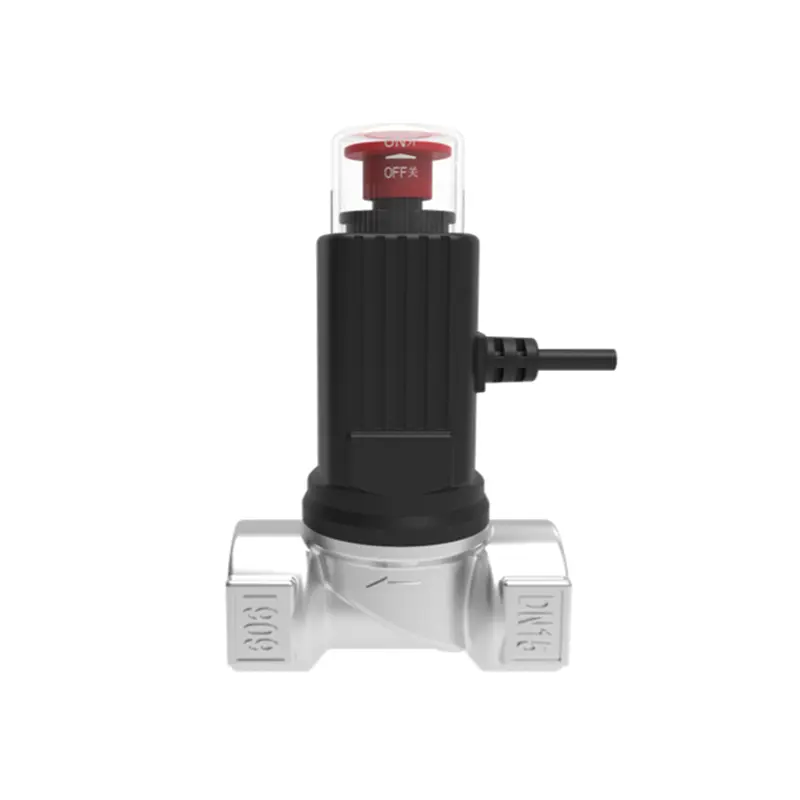
This valve is a normally open shut-off valve with a holding control mode. It remains open without power during normal operation and can automatically close upon receiving a shut-off signal. After closing, it can be manually opened and will automatically close again upon receiving another shut-off signal.
🔔
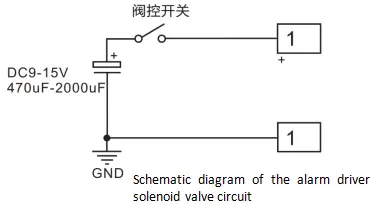
When a leakage accident occurs, the alarm system sounds an alert, instantly providing a DC pulse voltage to the solenoid valve. The coil is energized, driving the valve to quickly close, cutting off the gas source and entering a self-locking state.
⚡
When a gas leak occurs, the alarm's capacitor continuously releases a 3-second DC pulse voltage, energizing the coil, closing the valve to cut off the gas supply, and entering a self-locking state.
🔬
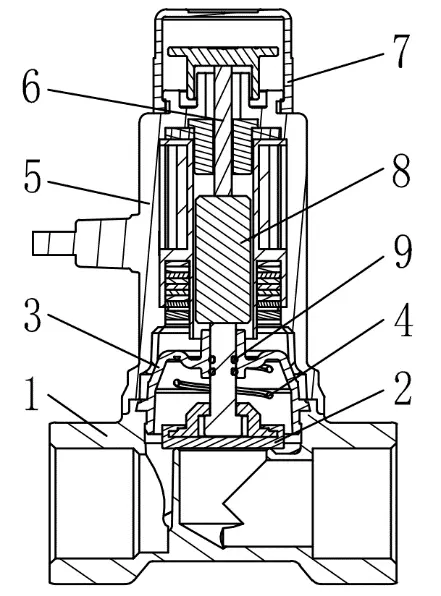
The interaction of instantaneous electromagnetic force of the coil, permanent magnetic force, and spring force is used to achieve pulse drive, automatic valve closing, and manual valve opening self-holding functions.
Frequently Asked Questions
Q
What is the normal operating state of this shut-off valve?
This valve is a normally open shut-off valve. In its default state without power, the valve remains fully open, allowing gas to flow through. It only closes upon receiving an electrical shut-off signal from the alarm system.
Q
How does the valve respond when a gas leak is detected?
When a gas leak is detected, the alarm system triggers and the capacitor continuously releases a 3-second DC pulse voltage to the solenoid coil. This energizes the coil, which drives the valve to close rapidly and cut off the gas supply, then enters a self-locking state.
Q
Can the valve be reopened after it has been closed by the alarm signal?
Yes. After the valve has been closed and entered a self-locking state, it can be manually reopened. However, upon receiving the next shut-off signal from the alarm system, it will automatically close again and re-enter the self-locking state.
Q
What forces are involved in the valve's operating mechanism?
The valve operates through the interaction of three forces: the instantaneous electromagnetic force generated by the solenoid coil, the permanent magnetic force, and the mechanical spring force. Together, these enable pulse-driven automatic closing and manual-opening self-holding functions.
Q
What type of electrical signal is used to trigger the valve closure?
The valve is triggered by a DC pulse voltage delivered from the alarm system's solenoid valve interface. The pulse lasts approximately 3 seconds and is sufficient to energize the coil and drive complete valve closure.
Q
What are the main structural components of this valve?
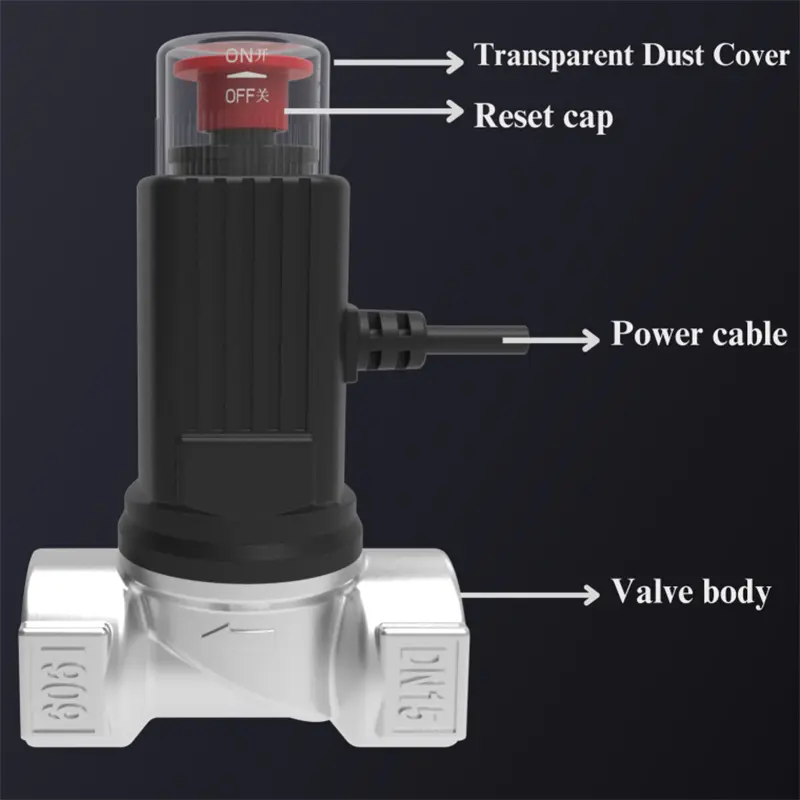
The valve consists of 9 key components: the valve body, diaphragm, valve cover, spring, actuator, reset device, dust cover, moving iron core, and sealing ring. Each part works in coordination to ensure reliable gas shut-off performance and long-term durability.