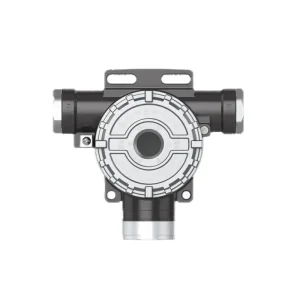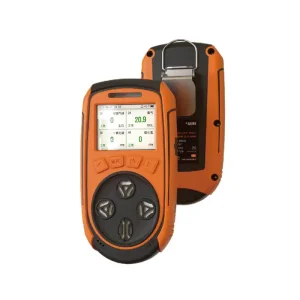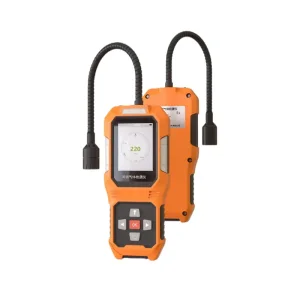
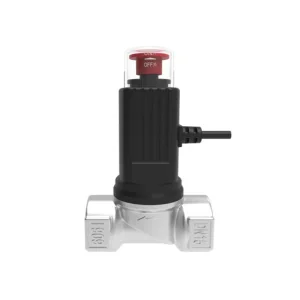
Tested for extreme thermal fluctuations, rapid impulse cut-off (< 1 sec), and direct compatibility with municipal gas distribution infrastructure.

Analyzing fuel supply dynamics, thermal grid modernization, and strict regulatory frameworks governing safety shut-off systems in the Moscow Metropolitan Area.
Moscow operates one of the world's largest integrated municipal gas distribution and central district heating networks (including massive heat power plants operated by Mosenergo and city supply lines managed by Mosgaz). The sub-zero winter temperatures (frequently dropping below -30°C to -40°C) require electromagnetic shut-off valves to feature specialty low-temperature synthetic elastomers (such as tailored HNBR or low-temp NBR diaphragms) and IP65/IP67 weather-proof solenoid coils that retain magnetic trip sensitivity without coil freeze or dielectric breakdown.
Sourcing solenoid gas shut-off valves for Moscow distributors and engineering procurement companies (EPCs) requires absolute compliance with Technical Regulations of the Customs Union (TR CU 012/2011 for explosion protection, TR CU 004/2011 for low-voltage equipment, and TR CU 020/2011 for EMC). Devices must adhere to GOST R 54960 standards for gas pipeline emergency valves, enforcing bi-stable pulse activation and non-volatility—ensuring that power grid outages do not trigger accidental gas shut-offs, while a true alarm impulse guarantees zero-leakage cut-off in under 1 second.
The shift toward intelligent safety networks, micro-power pulse actuation, and automated emergency isolation.
Traditional solenoid valves consume constant electrical power to stay open, generating heat and risking coil burnout during continuous operation. Modern Moscow industrial projects predominantly demand bi-stable (latching) pulse solenoids. The valve is held open by permanent magnetic forces and requires only a tiny electrical impulse (e.g., DC 9V-24V pulse from a gas detector) to trip the release spring, cutting off fuel instantly without energy consumption during standby.
With Moscow's smart city initiative and automated building management systems (BMS), solenoid valves are no longer standalone mechanical units. Modern factories produce shut-off valves equipped with signal feedback switches (auxiliary dry contacts) that communicate real-time valve status (Open/Closed) back to central SCADA systems, automated fire control panels, and cloud-based urban gas monitoring software.
Due to logistics cost optimization and installation constraints in tight utility shafts, cast iron valves are being rapidly replaced by high-grade die-cast aluminum alloys (such as ADC12 or aluminum-silicon alloys) treated with anti-corrosion surface anodization. These materials withstand pipeline vibration, mechanical stress, and aggressive atmospheric exposure while reducing shipping weights for wholesale international trade.
Essential engineering matrix and selection parameters evaluated by Russian importers, EPC contractors, and OEM brands.
When sourcing bulk solenoid shut-off valves from manufacturing facilities for distribution in Moscow, technical teams must evaluate structural engineering, electric drive parameters, and gas compatibility:
| Technical Parameter | Standard Commercial Specification | Moscow Heavy Industrial Specification | Wholesale Value / Engineering Impact |
|---|---|---|---|
| Valve Body Material | Die-Cast Aluminum Alloy / Forged Brass | Stainless Steel 316 / Anodized Heavy Alloy | Corrosion resistance, mechanical burst safety factor > 5x rated pressure. |
| Drive Mechanism | Pulse Latching Solenoid (Manual Reset) | Ex-d Flameproof Solenoid with Feedback Switch | Zero power consumption during standby; absolute fail-safe position holding. |
| Working Medium | Natural Gas (Methane), Liquefied Petroleum Gas (LPG) | Manufactured Gas, Biogas, Corrosive Process Gas | Universal gas sealing integrity prevents seal swelling and degradation. |
| Pipe Connections | G 1/2", G 3/4", G 1" Threaded (DN15-DN25) | DN32 to DN300 Flanged Connections (PN16) | Direct fitment for residential gas meters or municipal main headers. |
| Operating Temperature | -10°C to +60°C | -40°C to +80°C (Sub-Zero Special Seal) | Guarantees winter reliability in unheated Moscow boiler rooms & shafts. |
| Response Time | < 1.0 second | < 0.3 seconds (Ultra-Fast Trip) | Prevents gas cloud buildup upon detector alarm signal. |
Turnkey, field-tested safety frameworks linking gas detectors, controllers, and solenoid shut-off valves into unified safety ecosystems.
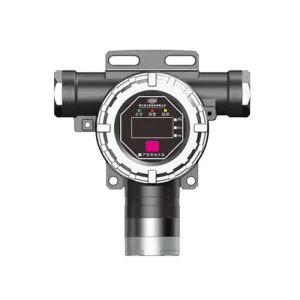
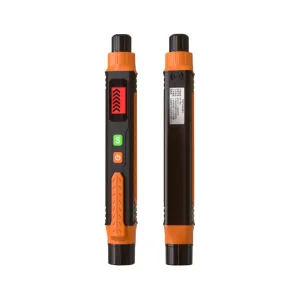
Integrated domestic safety systems designed for multi-family residential towers. When an apartment's wall-mounted SD6200 methane detector senses gas concentration reaching 10% LEL, it immediately triggers an 85dB acoustic alarm, transmits a wireless signal to the floor control panel, and sends a DC 9V pulse to close the inline JYFJS-011 aluminum shut-off valve installed behind the gas meter. The manual-reset feature ensures gas cannot flow back until a certified gas utility technician inspects the premises.
Large-scale commercial thermal installations require bus-type point gas detectors (SD2100E series) linked to multi-channel gas alarm controllers in the central operations room. Upon sensing methane or carbon monoxide leakage near burner trains, the controller trips heavy-duty flanged explosion-proof shut-off valves on the main gas intake line while simultaneously activating emergency exhaust ventilation fans and alerting plant supervisors via MODBUS RS485 protocol.
How our manufacturing facilities support Moscow B2B partners from custom branding to customs compliance paperwork.
Every batch of solenoid valves supplied to Moscow includes full Russian-language Technical Passports (Паспорт изделия), operational manuals, and GOST compliance certificates required for official commission approval by local gas inspectors.
We provide full private-label manufacturing options including customized laser-engraved valve body logos, customized coil operating voltages (DC12V, DC24V, AC220V), custom terminal blocks, and bespoke retail/industrial packaging for regional brands.
Prior to export packaging, 100% of manufactured shut-off valves undergo rigorous pneumatic high-pressure bubble testing and helium mass spectrometer leak detection to guarantee zero seat leakage and structural durability.
Looking for direct factory pricing, reliable supply capacity, and EAC-compliant OEM solutions tailored for the Moscow market? Contact our senior engineering team today.
Send Inquiry NowPioneering the future of intelligent leak prevention and self-diagnostic gas control safety.
Our R&D engineering facility is integrating micro-sensor diagnostics directly inside the solenoid coil structure. Future generations will continuously monitor coil resistance, ambient temperature, and mechanical plunger movement, warning maintenance teams of potential mechanical stickiness or wire degradation before a emergency event occurs.
Designed for remote pipeline manifolds, valve shafts, and rural gas expansion zones in the greater Moscow region, our upcoming autonomous shut-off valves utilize micro-energy harvesting combined with long-range Wireless LoRaWAN telemetry—enabling remote emergency isolation over tens of kilometers without grid power.
Direct technical and procurement answers provided by our senior gas control engineers.
Full range of household, industrial point-type, and portable gas safety monitoring instruments compatible with our shut-off valves.