Explore our ODM/OEM catalog of industrial gas leak detectors, emergency shut-off valves, and intelligent alarm controllers designed for continuous monitoring and instant failure response.
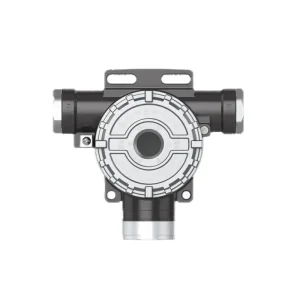
Real-time industrial gas monitoring with configurable alarm limits.
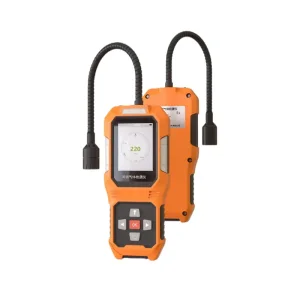
High-sensitivity handheld leak detection for industrial field patrols.
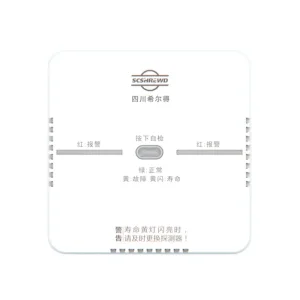
Continuous indoor monitoring with solenoid linkage shutdown.
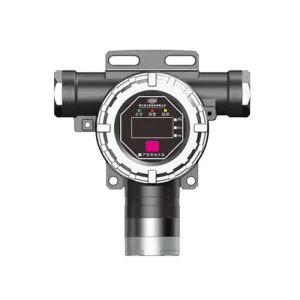
Bus-type wiring with on-site digital display & IR remote calibration.
Rugged enclosure, waterproof & explosion-proof construction.
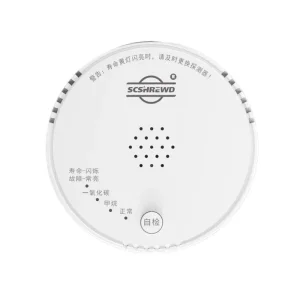
Smart kitchen detector to prevent explosion and gas poisoning risks.
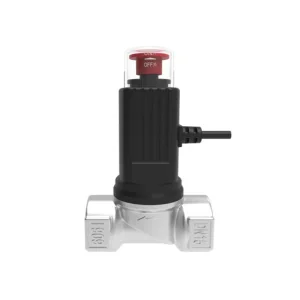
Aluminum alloy emergency shut-off valve with manual safety reset.
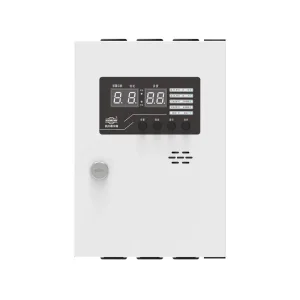
Centralized monitoring panel supervising remote field gas detectors.
A comprehensive examination of oxygen purge dynamics, weld discoloration thresholds, inert gas management, and critical safety instrumentation across global manufacturing ecosystems.
In modern industrial fabrication—spanning high-purity orbital pipe welding, semiconductor chamber purge control, aerospace alloy joinery, and liquid natural gas (LNG) cryogenic vessel displacement—the presence of minute concentrations of atmospheric oxygen represents a critical vector for material degradation. Oxygen purge monitors serve as the definitive analytical defense, measuring residual micro-oxygen levels within sealed pipe runs, reaction chambers, and vessel cavities down to single-digit parts per million (PPM) or exact percentages by volume (%VOL).
When reactive metals such as titanium, duplex stainless steels, zirconium, and nickel-based superalloys (e.g., Inconel) are subjected to high thermal energy during Tungsten Inert Gas (TIG) or laser welding, atmospheric oxygen causes rapid oxidation of the molten weld pool. This leads to heavy discoloration (ranging from straw yellow to dark blue and rough gray "sugar" corrosion), loss of mechanical tensile strength, severe reduction in pitting corrosion resistance, and catastrophic joint embrittlement. As global manufacturing standards—such as AWS D18.1, ASME Section IX, and EN ISO 14732—tighten quality audit trails, simple empiricism or "color-guessing" has been completely rendered obsolete by quantitative digital oxygen purge instrumentation.
Concurrently, the global OEM gas safety hardware market is undergoing a structural shift. Industrial buyers no longer evaluate oxygen purge monitors and gas leak detectors as isolated diagnostic hand tools. Modern engineering procurement requires an interconnected ecosystem comprising high-precision sampling purge monitors, fixed point-type combustible gas detectors (such as the SD2100A/E Series), multi-channel gas alarm controllers (SD8001 Series), and fast-action solenoid shut-off valves (JYFJS-011 Series). Establishing a unified detect-alarm-isolate response loop forms the backbone of modern process safety in high-tech manufacturing facility construction.
Traditional electrochemical oxygen sensors suffer from electrolyte depletion, slow response times, and limited shelf-life when continuously exposed to pure inert gas purge streams (such as 99.999% Argon or Nitrogen). Modern OEM/ODM manufacturers are accelerating the integration of solid-state Zirconium Oxide (ZrO2) cells and Optical Fluorescence Phase-Shift sensors. ZrO2 sensors provide sub-second response times, zero drift, and precision measurement down to 0.1 PPM, crucial for high-speed automated orbital welding heads.
Manual gas purging often leads to massive waste of high-purity argon gas due to conservative "over-purging." Advanced ODM purge monitors now incorporate RS-485 Modbus-RTU, Bluetooth 5.0, and wireless telemetry to communicate directly with automatic welding power sources and solenoid valves. The welding arc is electronically locked out until the oxygen purge monitor transmits a verified < 50 PPM safety signal, reducing argon gas consumption by up to 60% per weld joint.
Field operators working in enclosed weld purge zones face dual hazards: oxygen deficiency caused by inert gas displacement and potential combustible gas accumulation from adjacent piping networks. Consequently, safety specifications now mandate dual-purpose monitoring protocols: precision PPM purge monitors for weld root integrity paired with 4-in-1 portable gas detectors (e.g., BTYQ-Z4 Series) or point-type combustible detectors (SD2130 Series) for personal life safety.
Understanding the physics behind sensor selection ensures optimal configuration for specific industrial purging environments.
| Sensor Architecture | Target Range | Response Time (t90) | Primary Industrial Advantage | Limitations / Considerations |
|---|---|---|---|---|
| Zirconia Ceramic Cell (ZrO2) | 0.5 PPM to 21.0% VOL | < 2 Seconds | Extreme precision in sub-100 PPM ranges; immune to chemical drying; unlimited operational lifespan. | Requires internal heating element (~700°C); not suitable for flammable background gases without flame arrestors. |
| Optical Fluorescence Quenching | 1 PPM to 25.0% VOL | < 5 Seconds | No warm-up time; zero gas consumption; immune to hydrocarbons and acidic background gases. | Higher initial sensor module cost; sensitive to direct exposure to heavy particulates/soot. |
| Capillary Electrochemical Cell | 0.1% to 30.0% VOL | < 15 Seconds | Low cost, highly portable; minimal power requirement for handheld battery units. | Consumable sensor cell with 12-24 month life; susceptible to chemical drying in low-humidity dry argon streams. |
| Paramagnetic O2 Transducer | 0.01% to 100% VOL | < 3 Seconds | Absolute physical measurement; non-depleting; linear response across full 0-100% spectrum. | Vibration-sensitive; larger mechanical footprint; unsuited for rugged handheld field tools. |
For high-purity sanitary stainless steel tubing in pharmaceutical and food-processing plants, **Zirconia-based handheld or benchtop purge monitors** remain the gold standard. Conversely, for ambient safety around gas storage facilities, **Electrochemical and Catalytic Combustion detectors** (such as Sichuan Shield's SD2100A/E Series) deliver cost-effective, continuous hazard mitigation.
Context: Semiconductor fabricators, biotech cleanrooms, and aerospace fuel line installations require zero-defect pipe joints.
Role of Purge Monitor: Connected downstream of the purge dam. Sampling pump draws continuous argon exit gas into a micro-Zirconia cell. Welding torch remains unenergized until the purge monitor verifies residual oxygen is continuously below 12.5 PPM for 30 consecutive seconds.
Context: Before introducing LNG or liquid ethylene into storage tanks, atmospheric air must be displaced using gaseous nitrogen (N2).
Role of Purge Monitor: Dual %VOL purge monitors verify atmospheric oxygen has dropped below 1.0% VOL to eliminate the fire triangle, while fixed point-type detectors (SD2100E) monitor external valve stations for combustible gas leakage.
Context: Multi-occupancy residential towers, commercial hotels, and industrial boiler rooms using natural gas or LPG.
Role of System Linkage: Household combustible detectors (SD6200 / SD6103K) wired to an emergency solenoid valve (JYFJS-011). Upon detecting gas leakage exceeding 10% LEL, the detector triggers an immediate audible alarm and energizes the solenoid valve to mechanically shut off main gas supply lines within 1 second.
As industrial manufacturing evolves toward autonomous cyber-physical systems, gas monitoring hardware is undergoing significant architectural advancement. Sichuan Shield Technology Co., Ltd. is actively expanding its R&D initiatives across four key technological frontiers:
Integrating micro-fluidic reference gas reservoirs directly into fixed point-type detectors and purge sampling blocks. This enables automatic zero-point drift compensation every 720 operating hours without manual field gas cylinder intervention.
Expanding standard single-channel oxygen purge monitors into combined O2 + H2O (Moisture/Dew Point) + CO2 analytical hubs. Measuring moisture ingress alongside residual oxygen prevents micro-fissures in titanium welds caused by ambient humidity contamination.
Developing ultra-low-power industrial detectors powered by thermoelectric gradient generators attached to steam and hot gas pipelines. Enables 100% wireless deployment across extensive petrochemical tank farms without power cabling.
Sichuan Shield Technology Co., Ltd. (located in Haolang Technology Park, Shuangliu District, Chengdu) operates as a full-spectrum designer and factory-direct manufacturer. Recognized as a high-tech enterprise with over 40 patents and China 3C certification, Shield provides end-to-end custom engineering for international gas control distributors, EPC contractors, and equipment integrators.
In-house SMT circuit board assembly, custom enclosure molding (cast aluminum alloy, flame-retardant ABS, explosion-proof housings), and firmware programming tailored to regional target gas sensitivities and alarm limits.
Unlike simple assembly trading vendors, Shield manufactures the complete safety loop: field detectors (SD2100 Series), central alarm receiver panels (SD8001 Series), and fast-acting emergency solenoid shut-off valves (JYFJS-011 Series).
Every single unit undergoes automated target-gas calibration, temperature/humidity chamber aging tests, vibration resistance checks, and 100% solenoid linkage verification prior to international export packing.
Browse additional gas safety monitors, shut-off valves, and portable detection pens manufactured at our Chengdu industrial production center.
High-reliability emergency pipeline isolation valve for gas safety.
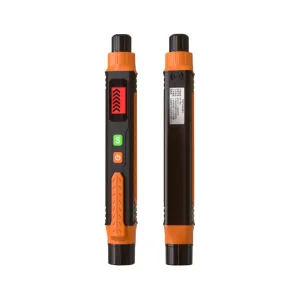
Pocket-sized gas leak finder pen for pipe joints and fittings.
Fast-response handheld device for multi-point industrial patrols.
Point-type industrial transmitter with dual alarm relay contacts.
Wall-mounted residential safety solution with auto-shutoff relay.
Heavy-duty cast aluminum enclosure built for harsh environments.
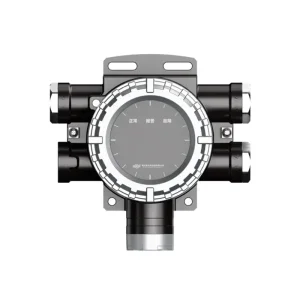
Direct local audible-visual alarm with localized relay control output.
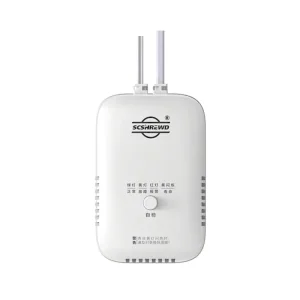
Ultra-compact kitchen gas alarm designed for large housing projects.
In-depth answers from our engineering team regarding oxygen purge monitoring, gas detector selection, standards compliance, and factory custom manufacturing.
The difference stems directly from the target analytical objective. Atmospheric air naturally contains approximately 20.9% Oxygen by Volume (%VOL). For personnel safety in confined spaces, safety monitors measure oxygen deficiency (e.g., dropping below 19.5% VOL) or oxygen enrichment (exceeding 23.5% VOL).
Conversely, in weld purging or semiconductor chamber inerting, the goal is near-total oxygen exclusion. A level of 0.1% VOL equals 1,000 Parts Per Million (PPM). Because titanium and high-grade stainless steel welds experience severe oxidation at levels above 50 PPM (0.005% VOL), standard %VOL detectors lack the resolution required. Purge monitors utilize specialized Zirconia or optical sensors to provide precision measurement down to 1 PPM.
The Lower Explosive Limit (LEL) represents the minimum concentration of a combustible gas in air required to support combustion in the presence of an ignition source (e.g., 5.0% by volume for Methane/Natural Gas). Gas detectors express concentration as a percentage of this limit (0-100% LEL).
An Alarm Set Point is a protective threshold configured well below the actual LEL. Typically, a Low Alarm (A1) is set at 20% to 25% LEL, while a High Alarm (A2) is set at 50% LEL. Triggering alarms at these lower thresholds ensures automatic emergency shut-off valves (such as the JYFJS-011 Series) isolate the gas flow long before an explosive mixture forms.
When a point-type detector (e.g., SD2100A) or household alarm (SD6200) registers gas concentration exceeding its programmed alarm threshold, its internal microcontroller activates an onboard output relay. This relay sends a DC 12V/24V pulse to the solenoid valve's electromagnetic drive mechanism.
The solenoid instantly trips a mechanical latch, cutting off pipeline gas flow in less than 1 second. Shield solenoid valves (like the JYFJS-011 series) feature a manual reset security design: once closed, the valve cannot automatically reopen when gas dissipates. Maintenance personnel must inspect the site, resolve the leak source, and manually pull the valve reset knob to restore gas supply safely.
As a direct high-tech factory manufacturer, Shield offers comprehensive white-label and custom ODM engineering support, including:
Calibration frequency depends on sensor technology and environmental severity. For electrochemical and catalytic sensors used in continuous safety monitoring, routine zero and span bump tests are recommended every 3 to 6 months. For Zirconia-based oxygen purge monitors operating in clean argon welding environments, full calibration is typically performed annually, provided zero calibration is checked prior to critical welding operations using high-purity (99.999%) inert gas.