Natural gas can be difficult to detect before it becomes a serious household hazard. A faint rotten-egg odor near a stove, furnace, or utility line deserves attention, but smell alone is not a dependable warning system. A Residential Natural Gas Detector adds another layer of awareness by monitoring for gas and alerting occupants when its sensor detects a concerning level. It is not a substitute for working appliances, routine inspections, or careful attention to warning signs.
Choosing a detector takes more than comparing prices. Sensor type, alarm volume, power source, battery backup, and clear status indicators can all affect everyday use. Some models connect to smart-home systems; others focus on a simple audible alarm. Either way, installation matters. Follow the manufacturer’s placement instructions, since rooms, ventilation, and appliance locations differ. A detector designed for natural gas may not detect carbon monoxide, so check exactly which hazards each product covers. The labels can be easy to confuse.
Small details count. Can someone hear the alarm from a bedroom? Is the display readable in a dim hallway? Will the unit keep working during a power outage? These questions help narrow the options in this guide to top residential detectors for home safety. Product features and testing claims should be checked against current manufacturer information, not assumed from appearance or price. No detector is perfect. Sensors need maintenance, and alarms require a clear response plan: leave the area, avoid operating electrical switches, and contact local emergency services from a safe location if a leak is suspected. A practical choice is one your household can install, test, and understand.
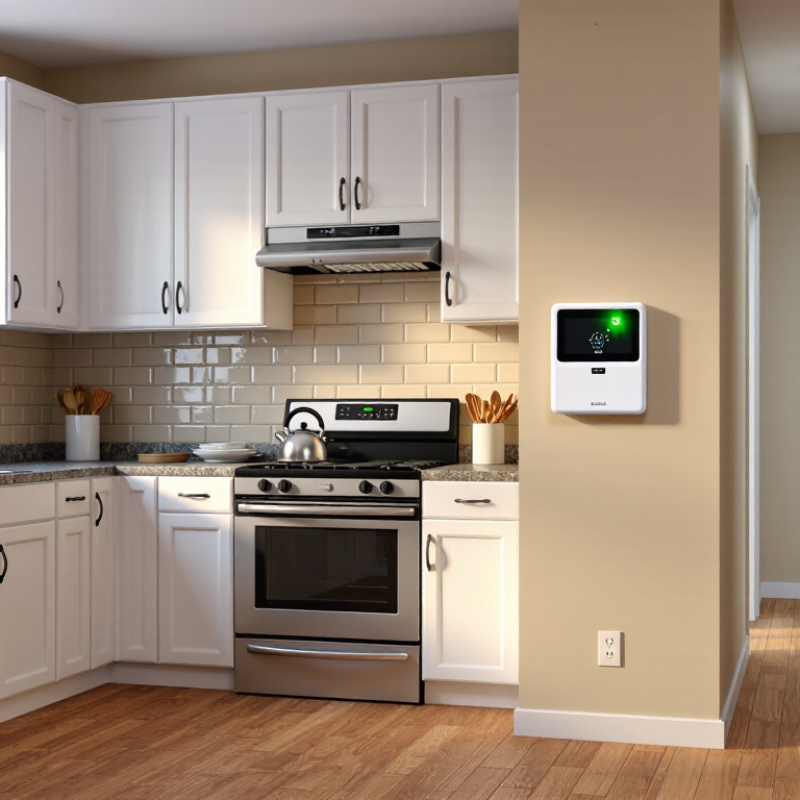
Natural gas leaks can develop around a stove, furnace, water heater, or aging pipe connection. The fuel is mostly methane, which can rise and collect near ceilings, though room airflow may change where it gathers. A residential detector provides an added warning when gas reaches its sensing element. It does not stop a leak. It also cannot replace careful appliance maintenance or attention to unusual odors.
Placement matters. Follow the detector’s instructions, including the recommended height and distance from appliances, windows, and vents. A detector intended for natural gas may not detect carbon monoxide; these are different hazards and may require separate alarms. Test the unit using its test button, check its power supply, and replace it when the manufacturer’s guidance says to do so. Small habits count. If an alarm sounds or you notice a strong gas odor, leave the building without operating switches or creating a flame. Call the gas utility or emergency services from a safe location. Even a good detector has limits, and no room layout is perfect.
| Comparison dimension | Factual information | Home-safety consideration |
|---|---|---|
| What the detector senses | Residential natural-gas alarms are designed to detect fuel gas, commonly methane, in the surrounding air. Natural gas is not the same hazard as carbon monoxide (CO). | Choose a device explicitly listed for natural gas or methane. A CO alarm alone does not detect a natural-gas leak. |
| Gas behavior | Methane is lighter than air and can rise and collect near ceilings in still conditions. Natural gas is flammable; its flammable range in air is approximately 5% to 15% by volume. | Use the detector’s placement instructions. Do not assume one location will detect a leak equally well in every room or airflow pattern. |
| Sensor and alarm threshold | Sensor technologies and alarm thresholds vary by device and applicable standards. Some alarms express a threshold as a percentage of the lower explosive limit (LEL); follow the specific product documentation. | Compare the gas detected, certification or listing, alarm behavior, and stated service life—not just the sensor description. |
| Power and installation | Residential units may use plug-in, hardwired, or battery power, depending on the model. Installation requirements and backup-power features differ. | Check power-loss behavior, any required backup battery, and local installation rules. Install and maintain the alarm as directed by its manufacturer. |
| Placement and airflow | Recommended mounting position depends on the detector design. Drafts, ventilation, obstructions, humidity, and distance from fuel-burning appliances can affect placement guidance. | Follow the device instructions and applicable local codes. Avoid placing it where airflow or environmental conditions fall outside the stated limits. |
| Testing and replacement | Test controls, sensor-life limits, and replacement intervals vary by model. A test button may check alarm electronics and may not verify the sensor’s response to gas. | Use the specified test method and schedule. Replace the unit when it reaches its stated end of service life or fails its required checks. |
| Recognizing a possible leak | A sulfur-like odor is commonly added to natural gas to help people notice leaks, but odor should not be the only warning method. | If you smell gas or an alarm sounds, leave immediately. Do not use flames, electrical switches, or phones inside; call emergency services or the gas utility from a safe location. |
| Standards and suitability | In the United States, UL 1484 is a standard for residential gas detectors. Standards, certifications, and legal requirements vary by country and product type. | Check that the device is intended for residential use and meets requirements applicable in your location. A detector supplements—not replaces—safe appliance maintenance. |
Safety note: Always follow the detector’s instructions and local fire, building, and utility guidance.
Follow its instructions for mounting height and distance from appliances, windows, and vents. Natural gas often rises, but airflow can change where it gathers.
Not necessarily. Natural gas and carbon monoxide are different hazards, so separate alarms may be needed.
Leave the building without using switches or making a flame. Call the gas utility or emergency services from a safe location.
Semiconductor sensors respond to electrical changes when gas reaches a heated element. Catalytic-bead sensors measure heat from a reaction with combustible gas.
They may affect some readings, especially with semiconductor sensors. No detector is infallible.
Usually, it checks the alarm circuit, not the sensor’s ability to detect gas. That distinction is easy to miss.
Look for a clear audible alarm, visible status indicators, and a low-battery warning. A display can help, if it stays easy to read.
Follow the stated service life and replace the unit when that period ends, even if it still powers on. Small habits count.
Natural gas leaks can create serious risks in the home, making early detection an important part of household safety. A Residential Natural Gas Detector monitors the surrounding air for signs of escaping gas and gives an audible or visual alert when levels reach its detection threshold. Understanding how these devices work, including the sensors they use and features such as backup power or clear alarms, can help homeowners compare options and choose a detector suited to their needs.
The right placement depends on a home’s layout, fuel-burning appliances, and the detector’s instructions. Install the device where it can monitor likely leak areas without being obstructed, and follow the manufacturer’s guidance for mounting and distance from appliances. Regular testing, battery checks, and timely replacement help keep protection dependable. A detector is a useful warning tool, but it does not replace careful appliance maintenance or appropriate action when an alarm sounds.

