2026 Top Home Gas Leak Alarm Types for Global Buyers

Time:2026-11-12 Author:Charlotte
0%

Choosing a Home Gas Leak Alarm begins with one simple question: which gas must it detect? Natural gas is mainly methane; bottled LPG is heavier and can collect near floors. Carbon monoxide is different. It is a poisonous by-product of incomplete combustion, not a fuel leak. Confusing these hazards can leave a home protected against the wrong threat. Small details matter.

The U.S. Consumer Product Safety Commission’s non-fire carbon monoxide surveillance reports document recurring deaths linked to consumer products, while NFPA fire research underscores the value of working alarms and clear escape plans. These reports support a practical point: detection matters, but correct placement and maintenance matter too. CPSC Chair Alex Hoehn-Saric has described CO alarms as “a critical first line of defense.” For buyers, that guidance does not make every alarm interchangeable. A methane sensor, an LPG sensor, and a CO alarm serve different purposes.

This guide compares common 2026 options: standalone plug-in units, hardwired alarms, smart connected models, and multi-gas devices. It also considers sensor technology, backup power, audible alerts, connectivity, and installation location. A small kitchen, a basement boiler room, and a holiday rental have different risks. No sensor is perfect. Product specifications can be confusing, and marketing claims deserve careful checking. Buyers should verify the target gas, certification, and replacement schedule against the manufacturer’s instructions and local safety guidance.
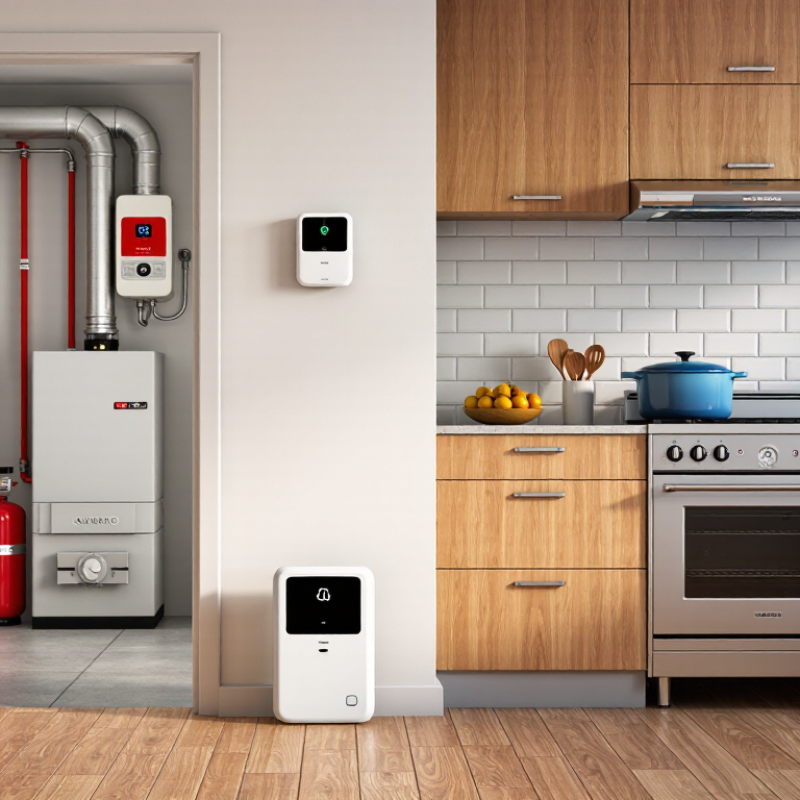
2026 Top Home Gas Leak Alarm Types for Global Buyers

How Home Gas Leak Alarms Detect Dangerous Gas Levels

2026 Top Home Gas Leak Alarm Types for Global Buyers
How Home Gas Leak Alarms Detect Dangerous Gas Levels

A home gas alarm samples nearby air through an internal sensor. Semiconductor sensors change electrical resistance when combustible gas reacts with the sensing surface. Catalytic sensors detect heat from gas oxidation, while infrared models identify gases by how they absorb light. Not every alarm uses the same method, so check its specified gas type.

The NIOSH Pocket Guide to Chemical Hazards lists methane’s flammable range as 5% to 15% by volume. That range explains why early detection matters: a leak can build near a stove, pipe joint, or enclosed utility area. Natural gas and liquefied petroleum gas behave differently in air, so follow the alarm maker’s placement instructions. A carbon monoxide alarm is not a substitute; it detects a different hazard. Sensors can also age or respond differently in dusty, humid rooms. That part is easy to overlook.

Tips: Match the alarm to your fuel, install it where the manual specifies, and test it regularly. Keep vents clear, and replace the unit when its service life ends. If it sounds, leave the area and contact your local gas emergency service from outside.

2026 Top Home Gas Leak Alarm Types for Global Buyers: How They Detect Dangerous Gas Levels

How to read this chart: The lower flammable limit (LFL) is the approximate concentration of a gas in air at which it can ignite. These values describe flammability—not the alarm trigger point. Combustible-gas alarms use sensors such as catalytic-bead or semiconductor types to detect target gases; carbon monoxide alarms typically use electrochemical sensors to detect toxic CO. Alarm thresholds and gas compatibility vary by device, so check the product specifications and applicable local standards.

Approximate LFL values: NIOSH Pocket Guide to Chemical Hazards.

Main Types of Home Gas Leak Alarms by Sensor Technology

Home gas alarms differ mainly in the sensor that detects a leak. That choice affects response, gas compatibility, and upkeep. The sensing element matters. Before buying, check whether a unit is designed for natural gas, LPG, or both; these fuels do not behave identically.

Catalytic-bead sensors detect combustible gases through a heat-producing reaction. They can respond to several fuel gases, but may need periodic calibration and can be affected by some contaminants.

Metal-oxide semiconductor sensors change electrical resistance when gas reaches a heated surface. They are common in compact alarms, though humidity and household vapors may influence readings.

Infrared sensors identify certain gases by measuring absorbed light. They can offer stable detection, but availability and cost vary.

Electrochemical cells are more gas-specific and are often used for carbon monoxide alarms, which detect a different hazard from fuel-gas leaks.

In a kitchen, sensor placement matters as much as sensor type. Natural gas tends to rise, while LPG tends to collect lower down, but follow the detector’s instructions rather than relying on a simple rule. Check the alarm’s rated gas, service life, test method, and replacement guidance. A test button usually checks the electronics, not whether the sensor responds correctly to gas. That distinction is easy to miss. Dust, steam, and neglected batteries can also undermine an otherwise suitable alarm.

Gas Compatibility: Natural Gas, LPG, and Other Fuels

Gas compatibility is not a small label detail; it affects whether an alarm can detect a leak reliably. Natural gas is mainly methane and tends to rise, so detectors are commonly positioned high, according to the unit’s instructions. Small detail, big consequence. An alarm intended only for methane may respond poorly to propane or butane.

LPG, often propane or butane, is heavier than air and can collect near floors, pits, or enclosed low spaces. An LPG-compatible detector is generally placed low, but avoid water, cooking fumes, and direct drafts. Placement still depends on the sensor and room layout. Check the specified gases, sensing range, and installation height before buying; the word “gas” alone proves little. Not universal.

For mixed-fuel sites, confirm the alarm lists each target, such as hydrogen or biogas, instead of assuming broad coverage. Some sensors detect combustible gases without identifying which gas is present. That matters when bottled LPG is used near equipment burning another fuel. Check response specifications, backup power, and audible output, then test the unit as its manual directs. A single “all-gas” label deserves a closer look.

Power, Placement, and Connectivity Options for Global Homes

Choosing a home gas alarm starts with fuel type, power, and room layout. The U.S. Energy Information Administration’s 2020 Residential Energy Consumption Survey found that natural gas heated 47% of U.S. homes, while propane heated about 5%. These fuels behave differently after a leak: methane rises, while propane tends to collect near the floor. Check the detector instructions for placement; a few inches can matter.

Power options include plug-in units, hardwired alarms, and battery-powered models. A battery backup can keep an alarm running during an outage, but batteries need regular checks. Keep alarms within the manufacturer’s specified range of appliances, away from vents and steamy cooking areas. Not every kitchen corner is suitable.

Connectivity is another trade-off. A standalone alarm gives a local sound; a connected model may send phone alerts or link to a home monitoring system. Yet Wi-Fi can fail, and notifications can be delayed. Look for a clear audible warning even without internet access. For international buyers, confirm that the power supply matches local voltage and that the alarm detects the household’s actual gas. A small label check is easy to skip.

2026 Top Home Gas Leak Alarm Types for Global Buyers - Power, Placement, and Connectivity Options for Global Homes

Alarm Type Typical Gas Target Power Options Recommended Placement Connectivity and Alerts Best Fit and Buyer Checks
Fixed natural-gas alarm Methane-rich natural gas; confirm the alarm is specified for the local fuel. Commonly mains-powered, sometimes with battery backup. Supply voltage and backup design vary by model and market. High on a wall or ceiling area, following the manufacturer’s specified distance from the ceiling, corners, and appliances. Methane is lighter than air. Usually a local audible and visual alarm; some models provide a relay output or smart-home connection. For homes using piped natural gas. Check local electrical requirements, listed gas type, alarm threshold, and installation instructions.
Fixed LPG alarm Liquefied petroleum gas, commonly propane or butane; verify the exact gases covered. Mains-powered or battery-powered versions are available; backup power depends on the model. Low on a wall, positioned as specified by the manufacturer and away from drafts, drains, and direct splash zones. Propane and butane vapours are heavier than air. Local sound and light alerts are common; network features and shut-off outputs are model-dependent. For homes using LPG cylinders or tanks. Do not assume a natural-gas alarm also detects LPG.
Battery-operated standalone alarm Natural gas or LPG, depending on the sensor and product specification. Replaceable batteries or a sealed, long-life battery; service life and low-battery warnings vary. Install high for methane or low for LPG, in the location specified for the detected gas. Typically provides an on-device audible and visual alert without requiring internet access. Useful where wiring is impractical. Check battery replacement or end-of-life instructions and test-button guidance.
Plug-in gas alarm Usually designed for one specified fuel type; check the product label before purchase. Plugs into a compatible local outlet; some models include backup batteries. Choose an outlet at the required height for the target gas. Confirm that the outlet location matches the manufacturer’s placement instructions. Usually gives a local alarm; app notifications, relays, and backup alerts are not universal. Convenient for existing homes, but outlet height and regional plug and voltage compatibility can limit placement.
Connected smart gas alarm Natural gas, LPG, or a specified single gas; connectivity does not determine which gas the sensor detects. May be mains-powered, plug-in, or battery-powered, depending on the model. Place according to the detected gas and the manufacturer’s instructions; keep any wireless signal and power requirements in mind. May send app alerts over Wi-Fi or connect through a compatible hub using another wireless protocol. Remote alerts depend on network, app, and service availability. For buyers seeking phone notifications or home-automation integration. Check supported networks, hub requirements, privacy terms, and operation during internet outages.
Multi-gas alarm May combine fuel-gas detection with carbon monoxide (CO) detection, but the exact sensors vary by model. Commonly mains-powered with battery backup, or battery-powered; verify each model’s power arrangement. Placement may differ by detected gas. Follow the instructions for each sensor and do not assume one location is suitable for every gas. Typically provides local alerts; smart notifications and separate alert identification are product-dependent. Can reduce the number of devices, but confirm that the unit explicitly lists each target gas. CO is a toxic combustion by-product, not an unburned fuel-gas leak.
Portable gas detector Depends on the sensor configuration; some units are intended for professional checks rather than continuous household protection. Usually rechargeable or replaceable-battery powered. Use only as described by the manufacturer. A handheld detector does not replace a correctly installed fixed alarm where one is required. Alerts are generally provided on the device; wireless reporting is model-dependent. Useful for inspection or temporary checks. Check calibration, sensor replacement, and whether the device is approved for the intended use.

Selection note: Gas alarm placement, electrical requirements, certification, and installation rules vary by country and product. Follow local regulations and the manufacturer’s instructions. A household gas alarm is not a substitute for appliance maintenance, ventilation, or emergency procedures.

How to Compare Alarm Types for Safety and Local Standards

Choosing a home gas alarm starts with the fuel and the local standard—not the product’s appearance. Natural gas is mainly methane, while bottled LPG is heavier than air. That changes where a detector should be installed. Check the device label, sensor type, alarm threshold, and installation instructions against local requirements. UL 1484 and EN 50194-1 are examples of residential gas-detector standards; approval in one market does not guarantee acceptance in another.

Sensor technologies also differ. Semiconductor sensors are common in domestic alarms, while catalytic and infrared sensors have different operating requirements and may suit other settings. Ask whether the model detects methane, LPG, or both, and whether it provides an audible alert during a power outage.

The International Energy Agency’s Global Methane Tracker 2024 estimated that fossil-fuel operations emitted about 120 million tonnes of methane in 2023. That figure is not a measure of household leaks, but it shows why methane detection deserves careful attention.

A comparison table can still miss the practical detail: a sensor placed at the wrong height may be less useful.

Tips: Match the alarm to your supplied gas, then follow its placement instructions exactly. Check local certification before purchase. Test the alarm as directed; don’t assume a new battery means the sensor is working.

FAQS

How does a home gas alarm detect a leak?

It samples nearby air with a sensor. Depending on its design, the sensor reacts to heat, electrical resistance, or absorbed light.

Do all gas alarms detect the same fuels?

No. Check the listed gases, such as methane, propane, or butane. The word “gas” alone tells you little.

Where should I place an alarm for natural gas or LPG?

Natural gas tends to rise, while LPG can collect low down. Follow the alarm’s placement instructions; room layout matters too.

Can a carbon monoxide alarm detect a fuel-gas leak?

No. It detects a different hazard. You may need separate alarms for carbon monoxide and combustible gas.

Does pressing the test button prove the sensor works?

Usually, it checks the electronics, not the sensor’s response to gas. Easy to miss.

What can affect an alarm’s performance?

Dust, humidity, steam, household vapors, and neglected batteries can interfere. Sensors also age. I’d check the manual again.

How should I maintain a home gas alarm?

Test it as directed, keep vents clear, and replace it when its service life ends. Small chores matter.

What should I do if the alarm sounds?

Leave the area. Contact your local gas emergency service from outside. Do not assume the alarm is faulty.

Conclusion

Choosing a Home Gas Leak Alarm starts with understanding how it detects danger. Different sensor technologies respond to gases in different ways, so buyers should compare detection speed, sensitivity, expected service life, and maintenance needs. Compatibility is equally important: an alarm designed for natural gas may not be suitable for LPG or other fuel types. Check the product’s stated coverage before selecting a device for a kitchen, utility room, or other area where fuel is used.

Power and placement can affect how reliably an alarm works in a home. Options may include mains power, batteries, or backup power, while connectivity features can provide alerts beyond the sound of the local alarm. Installation height and location should follow the device instructions and account for the gas being monitored. To compare alarm types, review their gas compatibility, operating requirements, alert methods, and alignment with applicable local safety standards. A suitable choice combines dependable detection with practical installation and clear warnings.


Charlotte

Charlotte

Charlotte is a seasoned marketing professional with a deep understanding of the company's portfolio and a passion for elevating its presence in the market. With a keen eye for detail and a commitment to excellence, she ensures that our professional blog is regularly updated with insightful articles......